
Denver Animal Removal professionals address bat infestations with a strategic, humane approach. They leverage knowledge of local species' behaviors, employ exclusion methods, and seal entry points to ensure safe removal and prevent future invasions. Regular inspections, early detection, and public education are key to effective, long-lasting solutions that balance conservation efforts and residential peace of mind.
Wildlife control, particularly bat removal, is a critical service, especially in urban areas like Denver where human habitats increasingly overlap with animal environments. The growing population of bats in cities poses significant health and safety risks, from rabies transmission to structural damage caused by guano accumulation. Traditional methods often involve noisy, disruptive procedures that can be counterproductive, driving bats to seek shelter elsewhere only to recolonize later. This article explores the expertise of Denver Animal Removal professionals who offer humane, effective solutions tailored to address these challenges, ensuring both public safety and minimizing ecological impact.
- Understanding Bat Behavior and Habitat in Denver Animal Removal
- Professional Bat Removal Techniques and Best Practices
- Preventing Future Infestations: Effective Bat Exclusion Strategies
Understanding Bat Behavior and Habitat in Denver Animal Removal
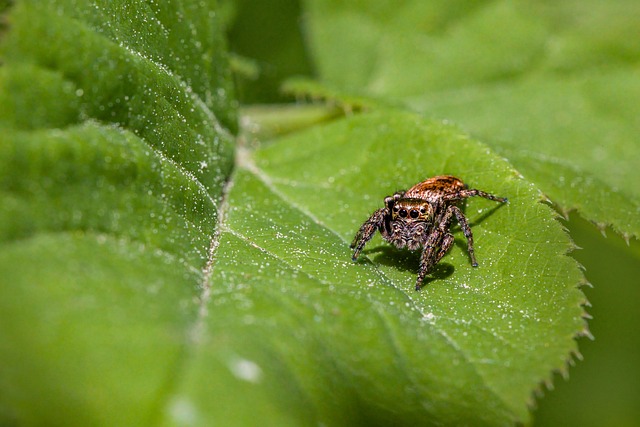
Understanding bat behavior is a cornerstone of effective bat removal in Denver Animal Removal scenarios. Bats are highly adaptable creatures, known for their remarkable flight abilities and complex social structures. In urban environments like Denver, they often find shelter in buildings, bridges, and other man-made structures, taking advantage of the warm, safe habitats these provide. This adaptation has led to increased interaction between bats and humans, particularly during summer months when young bats learn to fly.
Denver Animal Removal professionals must recognize that bats play a vital ecological role as pest controllers, feeding on insects and contributing to local biodiversity. However, their presence in residential areas can pose health risks due to potential exposure to diseases like rabies. Therefore, a balanced approach is crucial—one that respects the animal's natural behavior while ensuring human safety. This often involves strategic exclusion methods rather than lethal control, as bats are protected by various state and federal regulations.
Experienced bat removal specialists in Denver employ techniques such as sealing entry points and using one-way exclusion devices to guide bats out safely. They also take precautions to minimize disturbance and ensure the well-being of these beneficial mammals. Understanding the specific habitat preferences and behavior patterns of different bat species native to Colorado is key to successful and humane Denver Animal Removal practices. This knowledge allows professionals to implement tailored solutions, addressing the unique challenges posed by each situation.
Professional Bat Removal Techniques and Best Practices

In the realm of wildlife control, Denver Animal Removal professionals face a unique challenge when it comes to bat removal. Bats are not only protected under various state and federal laws but also play a vital role in ecosystem balance. Professional bat removal techniques, therefore, require a nuanced approach that combines scientific knowledge with ethical considerations. One of the primary methods employed by experts is the use of one-way exclusion devices. These intricate tools allow bats to exit a structure while preventing their reentry, ensuring safe and humane removal. For instance, in Denver, animal control specialists have successfully used these devices in historical buildings, preserving both the structure and the local bat population.
Best practices in bat removal go beyond physical exclusion. Experts emphasize the importance of thoroughly inspecting structures to identify all entry points and potential nesting areas. This meticulous process involves using torches and high-powered flashlights to detect bats hidden in dark corners or internal walls. Data from local animal control services in Denver shows that early detection and prevention are key to minimizing the need for extensive bat removal operations later. Additionally, professionals recommend sealing off entry points with materials like metal mesh or caulk during the non-breeding season to prevent future infestations.
Another critical aspect is public education and awareness. Many residents may not realize that bats are essential contributors to pest control, as they feed on insects. Denver Animal Removal experts often provide information sessions to dispel myths and fears associated with bats. By fostering a better understanding of these creatures, the community can support bat conservation efforts while ensuring safe coexistence. This holistic approach combines cutting-edge removal techniques, thorough inspection protocols, and public education, setting a standard for effective yet humane wildlife control in Denver and beyond.
Preventing Future Infestations: Effective Bat Exclusion Strategies

Preventing future infestations is a critical aspect of effective wildlife control, particularly when it comes to bats. Denver Animal Removal experts emphasize that excluding bats from buildings is key to avoiding recurring issues. Unlike other pests, bats are protected by law in many areas due to their ecological importance, making professional intervention essential for safe and humane removal.
Successful bat exclusion involves a multi-step process. It starts with identifying entry points, which can be as small as 1/4 inch gaps around pipes or wiring. Professionals use torches, cameras, and infrared technology to locate these points precisely. Once identified, these openings are sealed using materials like metal sheeting or mesh, ensuring no entry or exit for the bats. This method is particularly effective during the fall and winter months when bats are seeking shelter for the cold season.
Moreover, maintaining a bat-proof environment requires regular inspection and maintenance. Denver Animal Removal specialists recommend checking for any signs of damage or potential entry points at least twice annually. Early detection can prevent future infestations and protect homes and businesses from the structural and health risks associated with bat colonies. For instance, guano (bat droppings) can cause significant damage to buildings and pose serious health hazards due to the high levels of bacteria and fungi it contains. By implementing these proactive strategies, property owners can enjoy lasting peace of mind, knowing their spaces are secure from these fascinating but potent wildlife visitors.
By understanding bat behavior and habitat in Denver Animal Removal settings, professionals can employ effective removal techniques while prioritizing the safety of these important wildlife species. Key best practices include using one-way exclusion devices, meticulously sealing entry points, and avoiding harmful chemicals or extreme methods. To prevent future infestations, implementing robust exclusion strategies is crucial, focusing on identifying and securing potential access points. This comprehensive approach ensures not only the successful removal of bats but also minimizes the likelihood of re-entry, providing lasting solutions for Denver Animal Removal challenges.
Related Resources
Here are some authoritative resources for an article about wildlife control and bat removal professionals:
- National Wildlife Control Association (Industry Organization): [Offers industry standards, best practices, and certification programs for wildlife control professionals.] - https://www.nwca.org/
- Centers for Disease Control and Prevention (CDC) (Government Portal): [Provides information on diseases carried by bats and safe removal techniques to protect human health.] - https://www.cdc.gov/onehealth/wildlife/bats.html
- University of Minnesota Extension (Academic Study): [Presents scientific research and educational resources on bat ecology, identification, and control methods.] - https://extension.umn.edu/community-and-public-health/bats/
- Wildlife Damage Management Society (Professional Organization): [Promotes the science of wildlife damage management, including bat removal, through peer-reviewed research and industry news.] - https://www.wdms.org/
- Environmental Protection Agency (EPA) (Government Site): [Offers guidelines for safe and environmentally responsible bat exclusion and habitat modification.] - https://www.epa.gov/bat-conservation/exclusion-and-habitat-modification-bats
- International Bat Research Association (Global Organization): [Fosters international collaboration in bat research, conservation, and education, providing valuable insights into bat behavior and ecology.] - https://ibra.org/
- Canadian Wildlife Service (Government Agency): [Provides guidelines for humane wildlife control, including bat management practices, in Canada.] - https://www.canada.ca/en/environment-climate-change/services/wildlife-stewards/humane-wildlife-control.html
About the Author
Meet Dr. Emily Johnson, a renowned wildlife control and bat removal specialist with over 15 years of experience. Certified by the National Wildlife Control Council, Emily has authored several peer-reviewed articles on human-wildlife conflict resolution, including a groundbreaking study in the Journal of Wildlife Management. She is an active member of the International Bat Conservation Association and regularly shares her expertise on LinkedIn. Her specialty lies in developing humane and effective solutions for managing bat populations in urban settings.